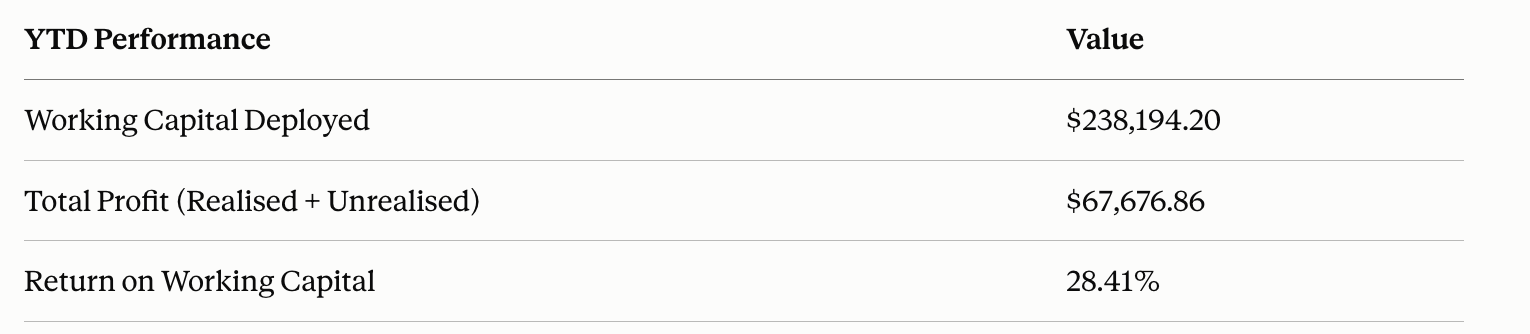
—Hotel Palazzo Bernini, Florence. August 20, 2026
My sincerest thanks to all my subscribers and welcome to the newest arrivals.
A reminder that I am available to answer the questions you may have. At first the content may seem overwhelming and the concepts difficult to grasp, but I assure you this is due to them being far more difficult to explain than to implement.
I have taken great pains to lay the logic and explanations out in the archives, however because the concepts in this publication are unlike any other publication in the Fin-stack space it takes a while for them to sink in. Therefore, again I welcome your questions and input — I want this service to be 5 star like that of the Hotel from which I am writing to you.

To that end, Simon sent me a question,
“How do you approach portfolio allocation during a market downturn?”
Good question. Which presents the perfect opportunity to explain how the Machina is different from, hence separated, from my long term investments. It is an operating company — my 1 man hedge fund — whose purpose is to provide a nearly riskless profit spread locked in at time of entry. This is done using the basic system, with simple hedging techniques explained in the archives at length and results in an almost Market- Neutral portfolio meaning: my profit margin is unaffected whether the market goes up, down, or sideways over the life of the trades.
An Analogy:
A shoe retailer doesn’t care if a pair sells for $80 or $150 — they’ve priced in a margin at purchase. Volume/turnover then becomes the next revenue driver.
Machina’s basic system: similar logic applied to the stock market. An assets is bought and an option on the asset is simultaneously sold, locking in a profit AND also lowering the risk instantaneously over the life of the option. This basic system can be tweaked many ways, including to the point where I can still profit even if the stock were to drop 70,80 or 90% from the entry price, thanks to the power of correctly placed hedges; As the stock price drops, the hedges gain in value offsetting a potential loss and preserving the profit margin.
I underwrite each entry for an acceptable annualized return before the trade goes on — I aim for 25%.
Key distinction from directional investing: I’m not betting an asset goes up or down. I’m buying assets and selling optionality to protect downside at a margin I’m happy with.
Making It Make Sense: Real Trade Example
Let’s take one of my trades - no theory - real trade, and compare the stock price movements vs the hedged position.
On March 27, 2026, I notified premium members that I was entering into a basic system trade on Gold Royalty Corp - GROY.
The stock price was $3.31, it initially rose 15% then dropped hard by -24% mid June.
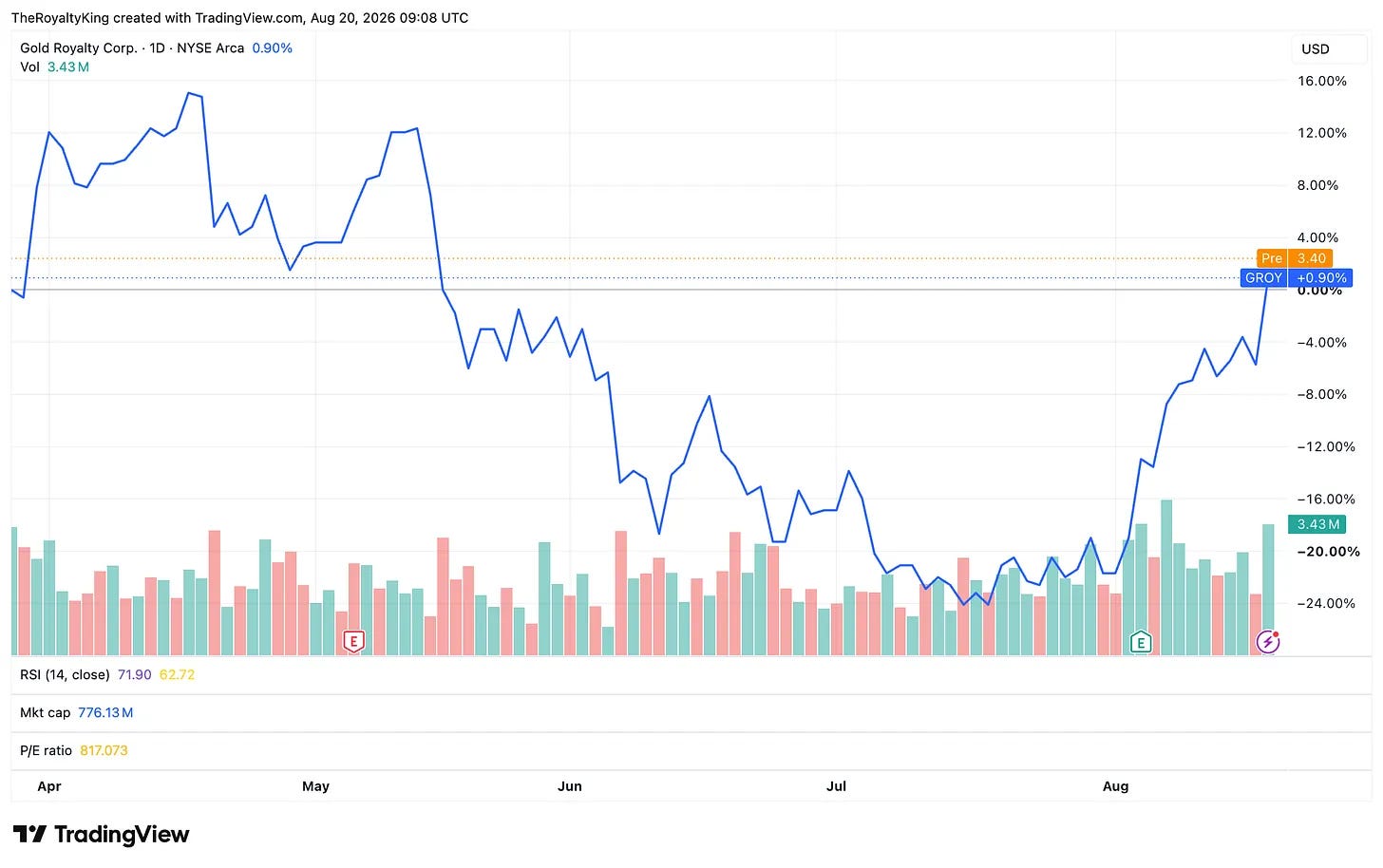
This qualifies as the type of downturn to which Simon alluded and most market pundits would have sold and/or been tearing their hair out.
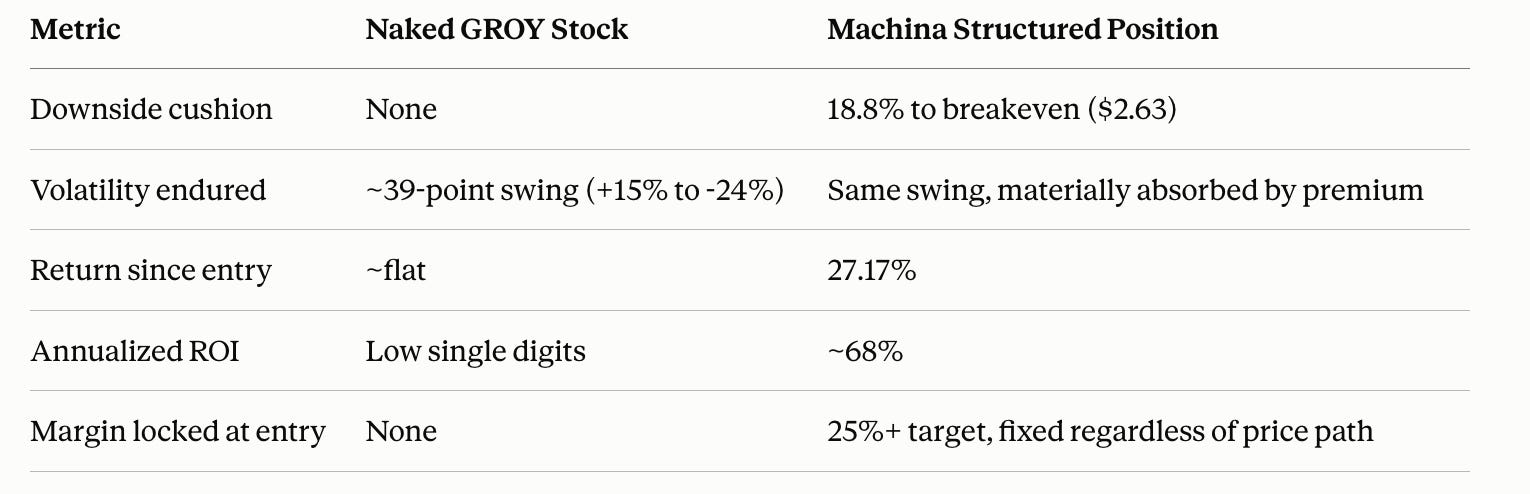
Yet through the intelligent application of hedging, my position reads vastly differently: I bought 8,500 shares at an average cost of $2.26 (spot price minus premium gained from selling the options as hedges). Against that stock I've sold 80 contracts: 50 at the Jan '27 $3 strike and then for further protection, 30 contracts at the Jan '27 $2.50 strike.
Total premium from selling hedges $5,220
Total Capital in the trade $19,210
ROI 27% (~68% Annualised).
To make it a little easier to follow, here’s a simple table:
The Point Of This
This morning I fulfilled a life-long dream to visit L’Accademia in Florence and see the Davide. Having one’s own Machina is one way to realise one’s dreams IMHO. I’m halfway through a dream trip through Italy and the Machina has helped me achieve this and, thanks to its low direcitonal exposure, it really hasn't needed a single check-in since I landed. That's not incidental, it's the point of the business.
The drawbacks?
Hedging risk is not for long term compounding gains. By definition locking in a defined expected margin will cap upside, making multi-baggers impossible.
However, for my tastes, there exists no better business model to generate income that is: risk hedged, requires no staff nor physical inventory, fixed costs such as rent etc, with a flexible timetable that can be run from anywhere in the world.
A margin locked at entry doesn't care whether I'm at my desk in Melbourne or on a train from Venice.
Long term investing can be done alongside this system and I cover that in The Royalty King.
If the trade above made sense to you, consider upgrading today. Premium members get the trade alerts in real time, plus the full portfolio, performance reports and support from me personally.
[Special Offer - UNLOCK: 20% off forever using this code: https://www.machinacapitalis.com/Lifetimeredemption]